Tell us what you need to learn
An inspection requested after a leak is different from one requested before a planned replacement. If you recently purchased the home, have limited roof records, or are coordinating other exterior work, say so. The reason for the visit helps define the scope.
Collect any previous inspection reports, repair invoices, and warranty paperwork you have. You do not need a complete history, but even a few dates can help organize the discussion. Mark the rooms where you have seen stains and describe whether the marks are new, changing, or left over from an older repair.
Discuss the visible components
A useful conversation considers the roof covering and the details around it. Ask about edges, valleys, walls, vents, skylights, and other openings. These areas can be difficult to evaluate from a driveway, so photos and plain descriptions help you understand a recommendation.
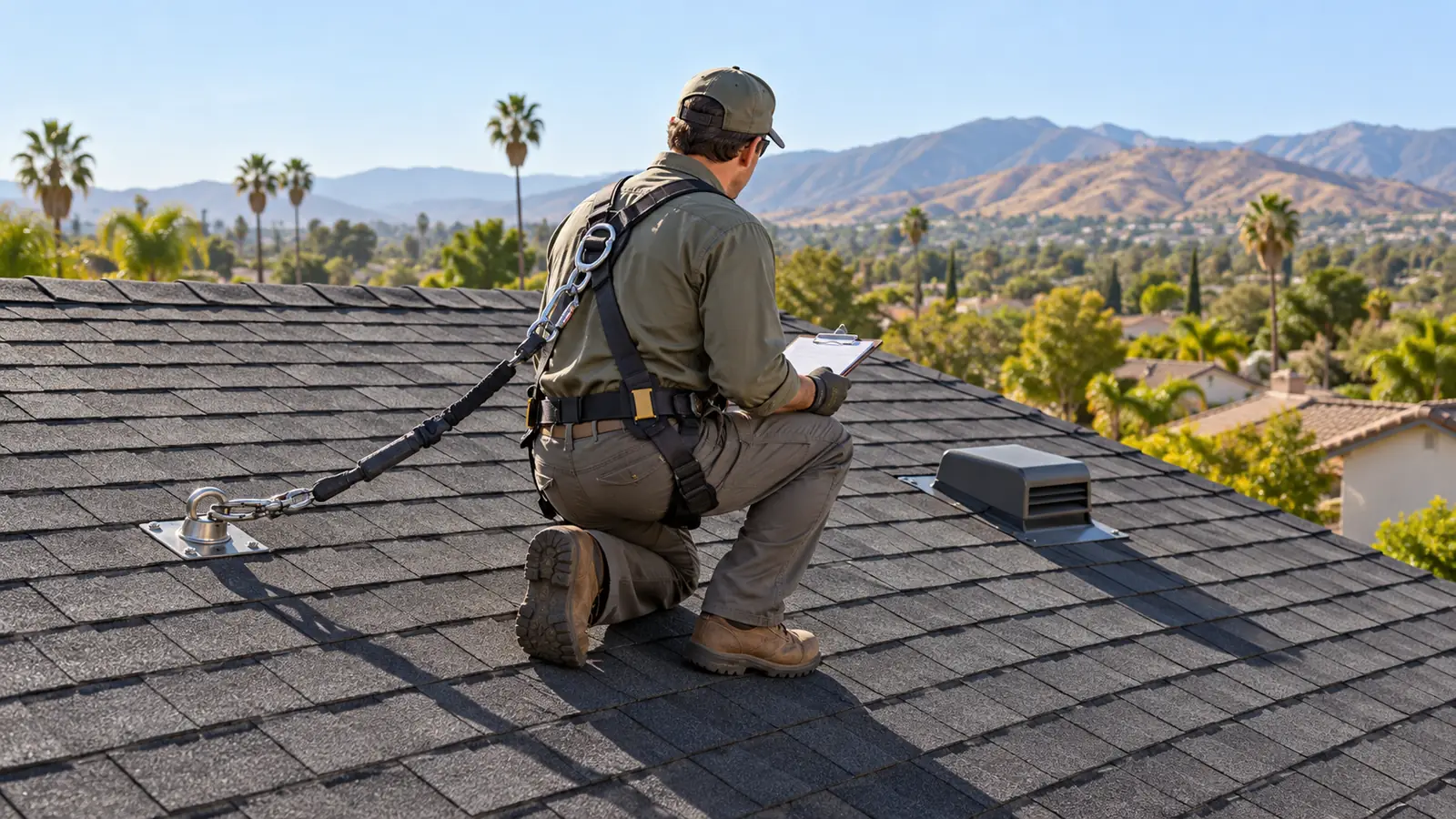
If an attic is accessible and relevant to the inquiry, ask whether it is included. Confirm access arrangements in advance. A roof inspection should not be confused with a structural engineering evaluation, an insurance decision, or a guarantee about every concealed component.
Separate findings from unanswered questions
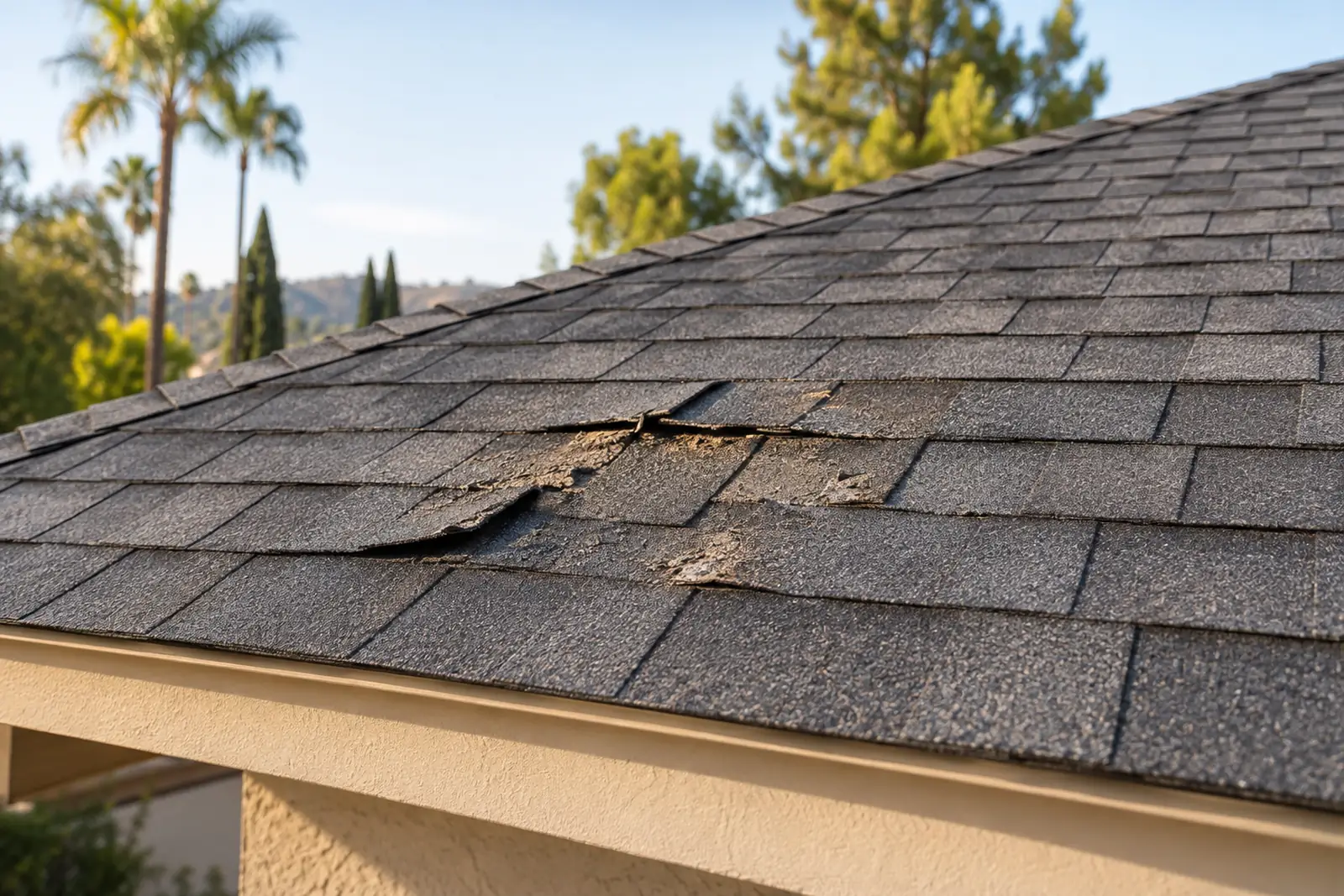
The roof covering can hide decking, underlayment, and connections. Some conditions become visible only when material is removed. Ask the inspector to distinguish observed damage from suspected causes and to identify any areas that could not be accessed safely.
That distinction is useful when comparing proposals. A contractor may be able to describe a visible defect with confidence while reserving the final repair scope until an opening is made. Request the proposed next step and its cost or authorization process rather than treating uncertainty as a fixed diagnosis.
Turn the findings into an action list
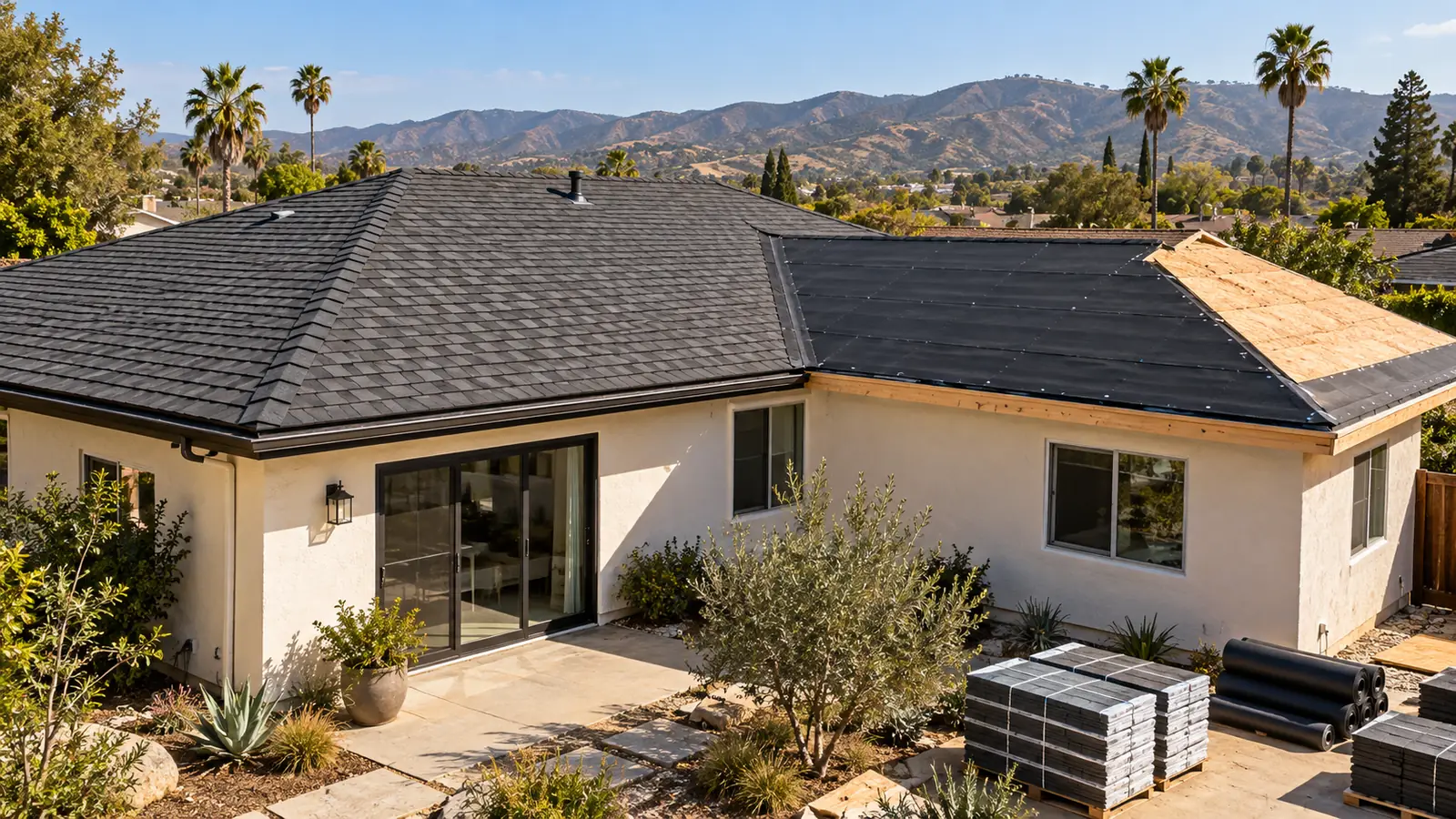
Ask which items call for prompt attention, which can be planned, and which should simply be monitored. A clear action list is more useful than a collection of technical labels. For a replacement recommendation, ask what condition makes a smaller repair less suitable.
Before the visit ends, confirm whether you will receive photographs, written findings, a repair estimate, or a replacement proposal. Keep the records together so you can compare future changes and avoid repeating the same investigation.
- Prepare questions before the appointment.
- Arrange safe access to relevant areas.
- Ask about limitations and concealed conditions.
- Request an explanation of the recommended next step.
STRAIGHT ANSWERS
A few things you may be wondering.
Can an inspection guarantee that the roof will not leak?
No. An inspection reflects the accessible conditions at the time. Concealed defects and future weather or damage can affect performance.
Should I be home for the inspection?
Discuss the visit in advance. Being available can help if interior access or questions about leak history are part of the scope.