Understand the role of the hidden layer
Underlayment is part of the roofing assembly beneath the visible covering. It provides another layer of protection, but it must work with the covering, flashing, and roof details. It is not a substitute for repairing damaged surfaces or poorly functioning connections.
Because the layer is concealed, a visual inspection of the finished roof has limits. Ask whether the recommendation is based on an opened section, leak evidence, known installation records, or another finding. The explanation should separate direct observations from an assumption about the rest of the roof.
Clarify how much of the roof needs opening
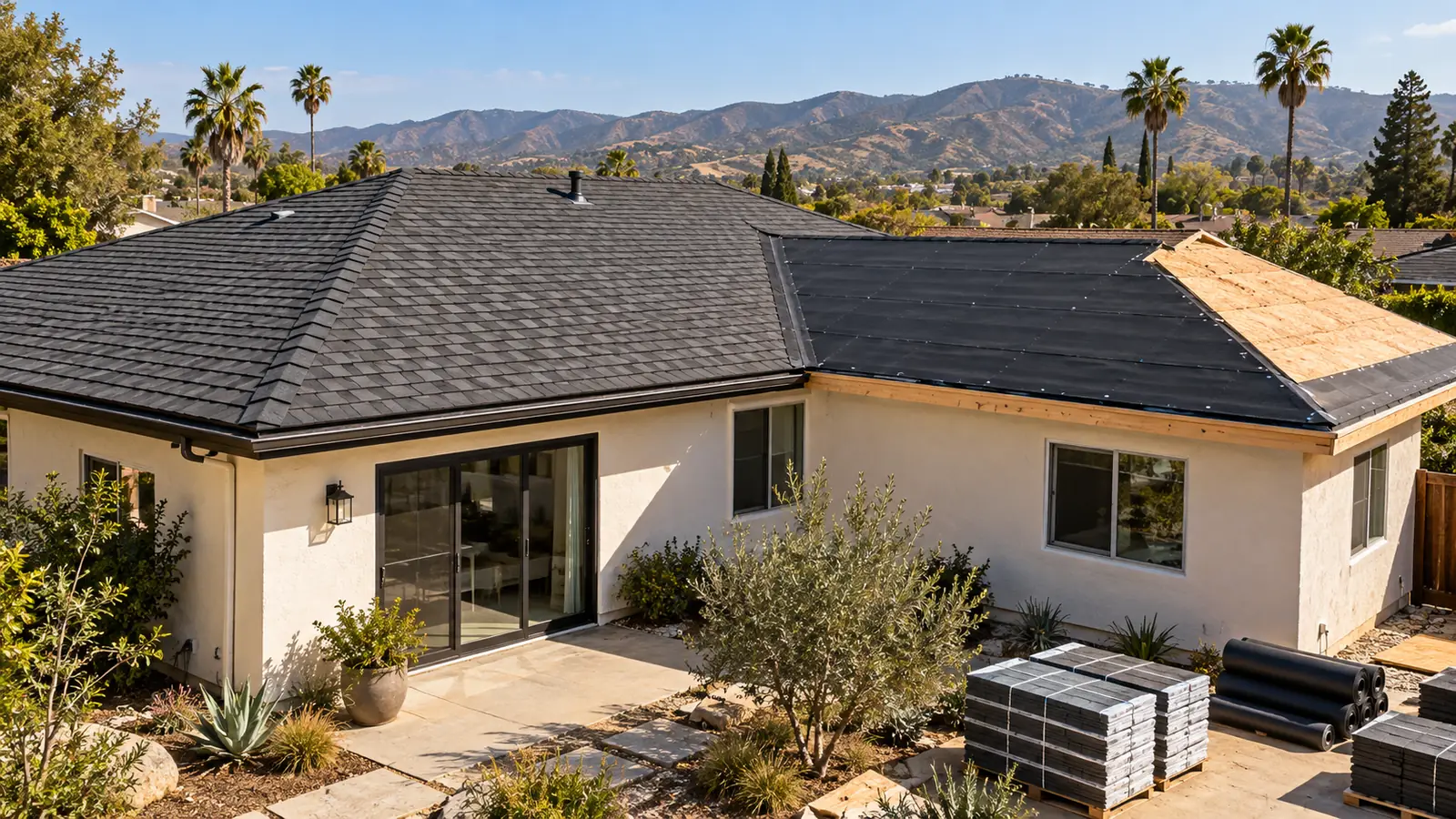
A localized repair and a broad underlayment replacement involve very different amounts of work. Ask which sections will be opened, how surrounding material will be protected, and what will be done if additional damage is found.
On tile roofs, the plan may involve removing and reinstalling usable tiles. Reuse should be evaluated rather than promised automatically. Ask how breakage, matching availability, and unusable pieces will be handled, and whether replacement quantities are included in the estimate.
Choose compatibility before a product label
There is no single underlayment choice that fits every roof. The visible covering, slope, installation method, and manufacturer requirements matter. Ask for the proposed product by name and an explanation of why it fits your roof assembly.
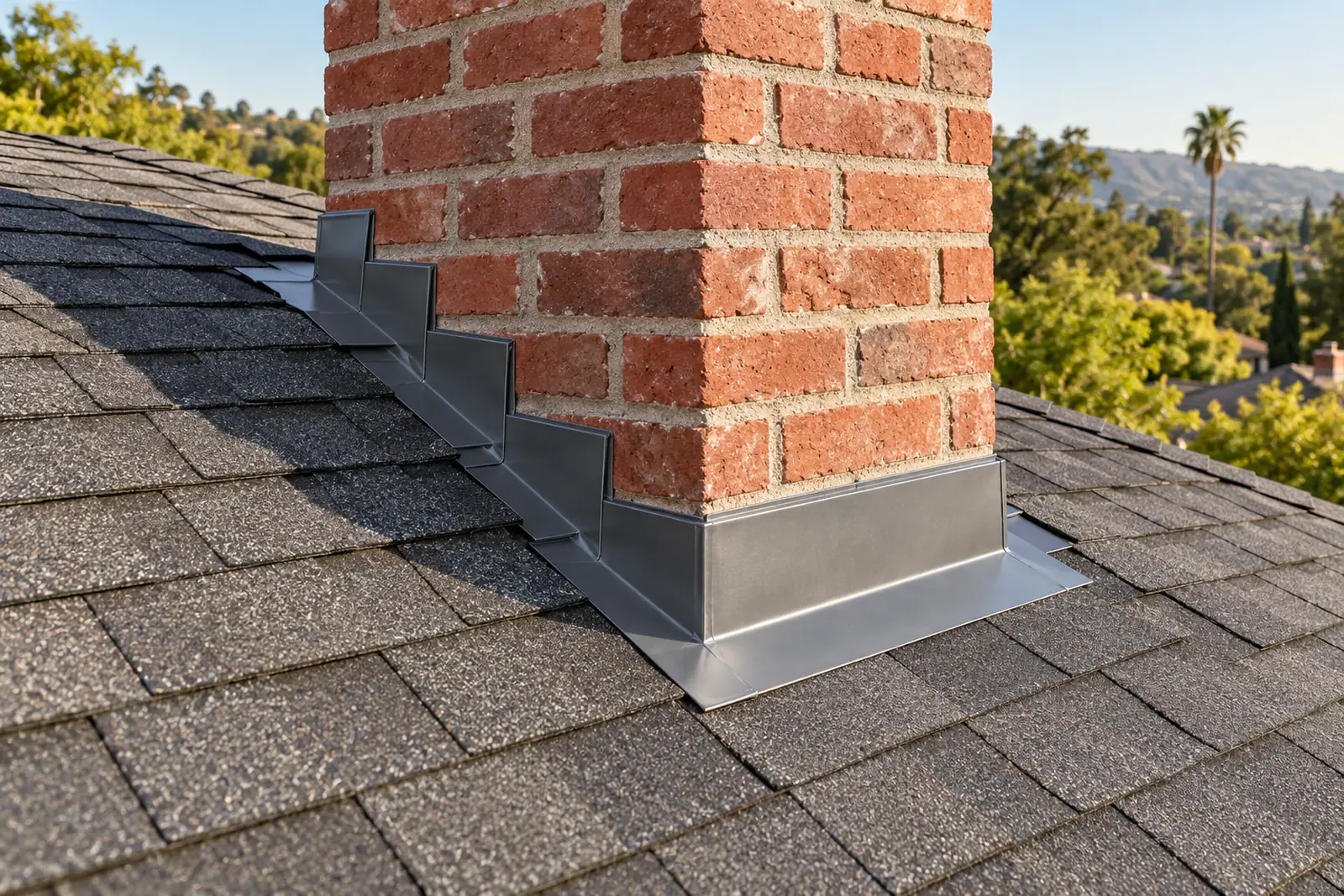
Also discuss valleys, roof-to-wall junctions, vents, and other openings. Replacing a field of underlayment without a clear plan for the connections may leave unanswered questions. The proposal should identify what flashing work accompanies the underlayment and what existing details are expected to remain.
Compare the complete scope with replacement
If much of the roof must be opened, compare the proposed underlayment work with a full replacement scope. The right decision depends on the condition of the covering, your material preferences, and the work already required. Ask what additional work or cost would separate the options.
Include removal, storage or handling of reusable material, substrate review, new layers, flashing, reinstallation, disposal, and cleanup in that comparison. Confirm the process for damaged decking discovered after opening. You should know what you are approving before the roof surface is disturbed.
- Ask what evidence supports the recommendation.
- Define the areas to be opened.
- Clarify tile reuse and matching allowances.
- Compare complete scopes rather than a single layer price.
STRAIGHT ANSWERS
A few things you may be wondering.
Can underlayment be replaced without removing the roof covering?
Access generally requires removing the covering in the affected area. The extent depends on the system and scope, so ask how the work will be performed.
Does a leak prove all the underlayment has failed?
No. The source and extent need investigation. A leak may involve a connection, localized damage, or a wider condition.